RLSS AGM and Conference
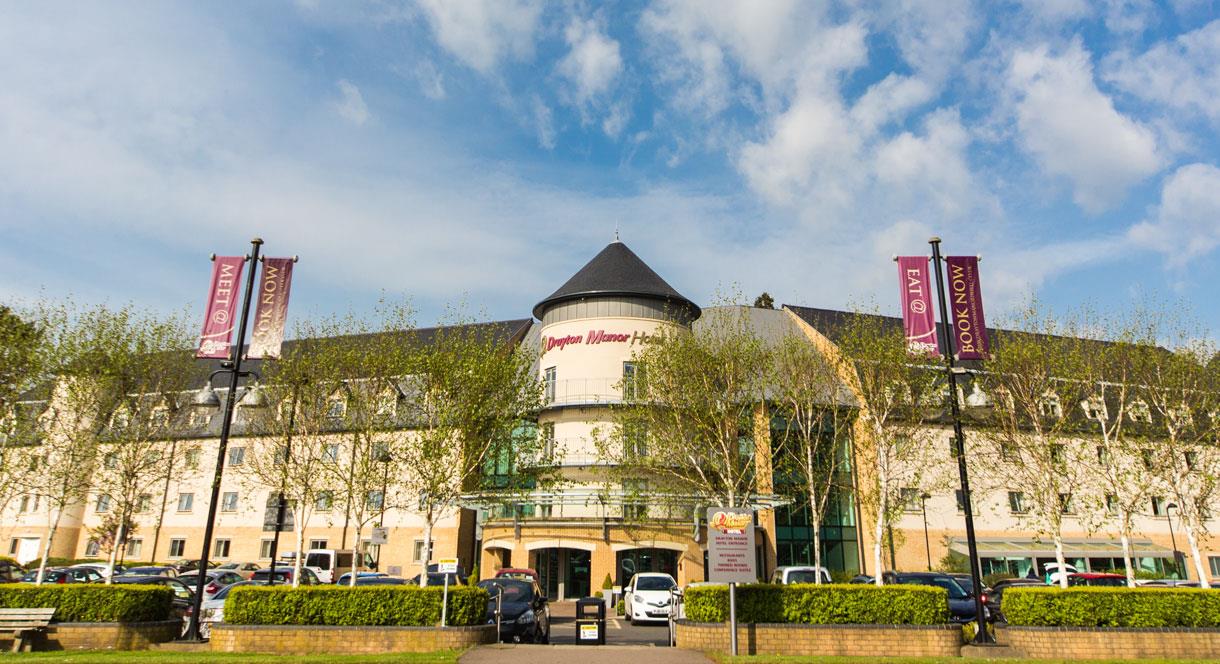
The 2026 Religious Life Safeguarding Service (RLSS) AGM and Conference at Drayton Manor brought together our members, safeguarding practitioners, and invited experts for a day centred on strengthening a culture of safeguarding excellence across Religious life.
Set against the park’s spacious and welcoming backdrop, the event combined keynote input and reflective discussion, all focused on supporting organisations to embed safer practices with confidence and clarity. A number of delegates also took part in the formal AGM proceedings, where RLSS staff reviewed the year’s progress and set priorities for the future.
The gathering fostered a strong sense of shared purpose, collaboration, and commitment to ensuring that safeguarding remains at the heart of Religious life in the years ahead.
An overview of each presentation given at the Conference can be read below. Copies of the presentations and Annual Report can be found on the Resources page in the Members Area.
HOPE FOR A CHURCH THAT LOVES WISELY AND WELL
Exploring contributions from Religious Life communities to greater ecclesial health in relationships
Professor Clare Watkins, Centre for Catholic Studies, Durham University Professor
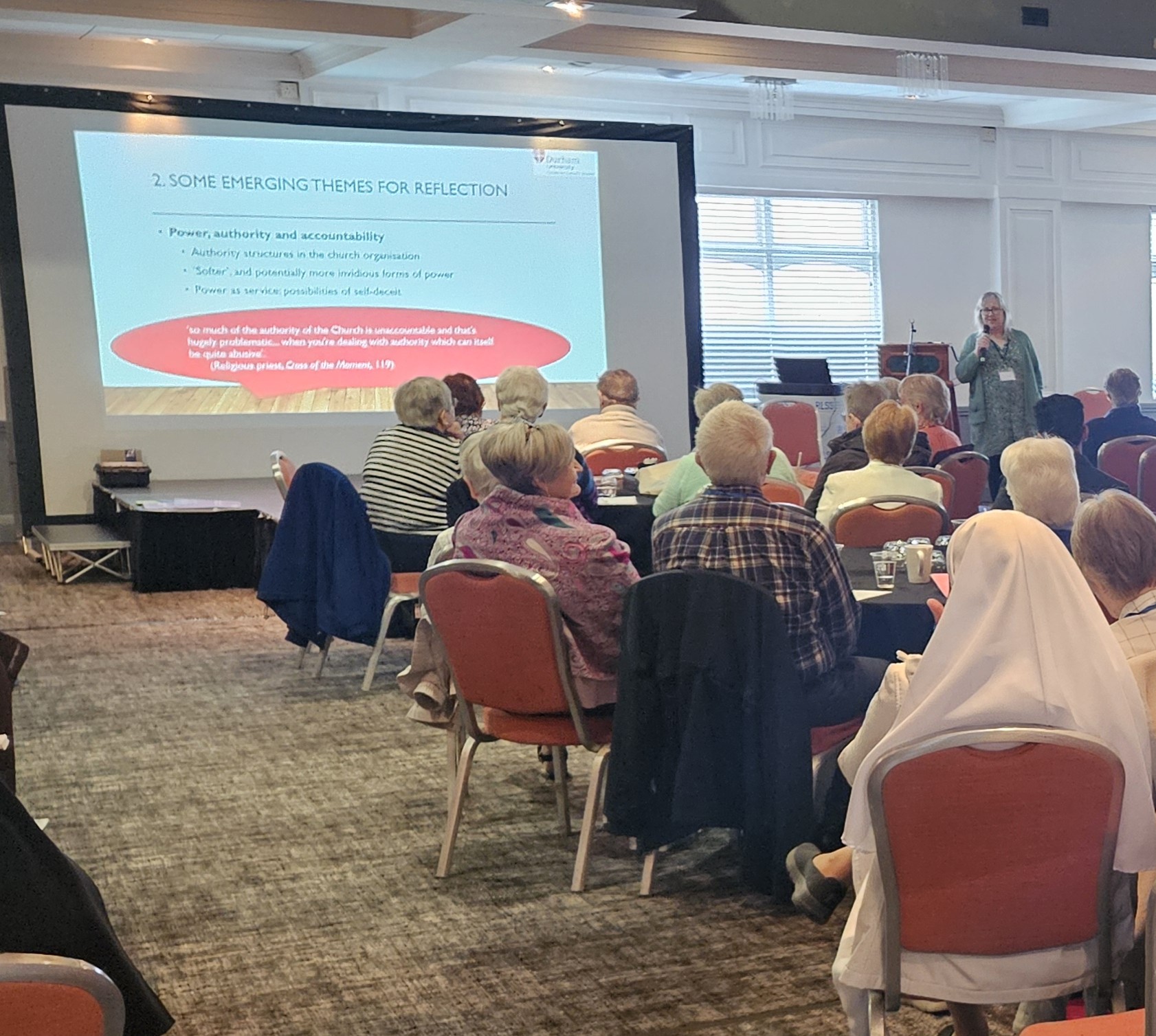
Clare’s presentation explored how Religious Life communities can contribute to a healthier, more accountable, and more compassionate Church. Drawing on the Conversations, Culture and Communion project, she highlighted how participative research with clergy, young people and survivors is revealing deep cultural challenges – particularly around power, clericalism, silence, and the Church’s understanding of the human person. Clare emphasised the vital role of survivors as protagonists of change, whose testimony continues to reshape ecclesial awareness and practice. She also identified distinctive gifts within Religious Life: such as communal discernment, mutual accountability, humility, elder care, and intercultural living, which can support the Church’s journey toward safer relationships and wiser love. Her talk invited Religious Life communities to reflect on their own experiences and consider how their traditions might enrich wider safeguarding and cultural transformation efforts.
PSYCHOLOGICAL RISK ASSESSMENTS IN RELIGIOUS CONTEXTS
Dr Jillian Peters, Consultant Clinical Psychologist, Tully Forensic Psychology
The presentation by Dr Jillian Peters, representing Tully Forensic Psychology, outlined the growing role of specialist psychological risk assessments within Religious contexts, driven by increased disclosures, media scrutiny and recognition of past safeguarding failures. Dr Jillian Peters described the work she and Dr Ruth Tully carry out assessing clergy and others affiliated with the Church where concerns have arisen, covering issues ranging from sexual and boundary violations to domestic abuse, spiritual abuse, financial misconduct and failures to act. Drawing on structured risk tools, clinical interviews and psychometric testing, they are able to highlight common features in respondents – such as high social skills, minimisation, and strong motivation to retain their roles. Dr Jillian Peters also spoke about the challenges posed by limited information, historical allegations and emotionally charged circumstances. Her presentation also reflected on the parallel emotional impact on both claimants and respondents, the complexities created by dual safeguarding roles, and the need for respectful, non‑judgemental processes that prioritise support, clarity and good practice.
THE ROLE OF SAFE SPACES IN PROVIDING SUPPORT TO SURVIVORS OF ABUSE
Gemma Dodd and May Hunt, Survivor Advocates, Safe Spaces
Safe Spaces’ presentation began by explaining that it is an independent, confidential support service for anyone abused by someone in, or through their relationship with, the Church of England, the Catholic Church in England and Wales, or the Church in Wales, offering ‘a confidential, personal and safe space for anyone who has been abused by someone in the Church’. Run by First Light, a specialist domestic and sexual violence charity, the service provides trained ISVA‑level support through a team of advocates and advisors who help survivors navigate emotional, practical and procedural challenges, including safeguarding processes, complaints, therapeutic funding and communication with dioceses. The presentation touched on the breadth of abuse experienced by survivors – from sexual, physical and financial abuse to psychological and spiritual abuse, the latter described as ‘a systematic pattern of coercive and controlling behaviour in a Religious context’. Safe Spaces operates a survivor‑centred model focused on empowerment rather than direction, offering helpline support, advocacy, peer groups, and trauma‑informed guidance. This was illustrated through a case study showing how coordinated support can help survivors rebuild trust, access therapy, engage with safeguarding structures and move forward in recovery.
SPIRITUAL CONFUSION
Tina Campbell, Independent International Safeguarding Consultant
Tina Campbell’s presentation explored the nature, impact and recognition of spiritual abuse within church and community life, emphasising that it is often ‘subtle, pervasive, and not easily defined’ and frequently ignored or denied. Drawing on emerging Church teaching and academic definitions, she highlighted that spiritual abuse involves coercive and controlling behaviour in a Religious context, where spiritual authority, scripture or divine justification are misused to manipulate, isolate or dominate others. Tina noted recent developments, including Pope Francis’ call for spiritual abuse to be considered a canonical crime and Cardinal Fernández’s clarification that spiritual elements are sometimes weaponised for grooming. The presentation also reflected on the profound spiritual and psychological harm caused, with victims often describing the spiritual trauma as the most difficult aspect. Tina concluded by urging communities to recognise manipulation, challenge resistance, and respond through naming concerns, having difficult conversations, and returning to codes of conduct to ensure accountability and healthier ministry cultures.
ASPECTS OF CANON LAW REGARDING SAFEGUARDING
Fr Christopher Hancock, MHM and Sr Una Coogan, CJ
Fr Christopher and Sr Una outlined key aspects of Canon Law relevant to safeguarding. Mandatory reporting and full cooperation with civil authorities was highlighted alongside a comparison of civil and canonical definitions of adults and children (minors). Further aspects of Canon Law and the investigative process were discussed including explanations of the rights of all involved and the possible outcomes of an initial investigation.
Reporting Abuse or Safeguarding Concerns
If you have experienced abuse or have any safeguarding concerns, we encourage you to reach out through our Make Contact With Us link below. All reports are taken seriously and handled with sensitivity, confidentiality, and care.